

No products added!

Risk Elements and Your Cat's Way of Life
In the professional world of feline rehoming, we often talk about the “Soul-Reset.” However, once a cat has successfully transitioned from the street to the sofa, the journey doesn’t end. Your cat’s lifestyle—whether they are strictly indoor or have “Safe Outdoor Access”—determines the risk elements you must manage.
At The Cat Collective, we categorize these risks into three main pillars: Environmental, Biological, and Behavioral.
20%<br><span>Offer</span>
Purchase pet food with exciting offers
1. The “High-Rise” Factor: Environmental Risks
For most residents in the UAE, apartment living is the norm. This introduces one of the most significant risks: High-Rise Syndrome.
The Reality: Cats do not have a “fear of heights”; they have an instinct for movement. A passing bird can trigger a jump from a 20th-floor balcony in a split second.
The Solution: Professional “cat-proofing” is non-negotiable. Balcony netting and window restrictors are the professional bridge between a breeze and a tragedy.
2. The Biological Threat: Communal Living
Even if your cat never leaves the sofa, “biological” risks can enter your home.
The Shoe-Borne Pathogen: We often forget that we walk where street cats have been. Viruses like Panleukopenia can be brought into your home on the soles of your shoes.
The Vaccine Shield: Maintenance of annual vaccinations is mandatory, regardless of lifestyle, to protect against these invisible “hitchhikers.”
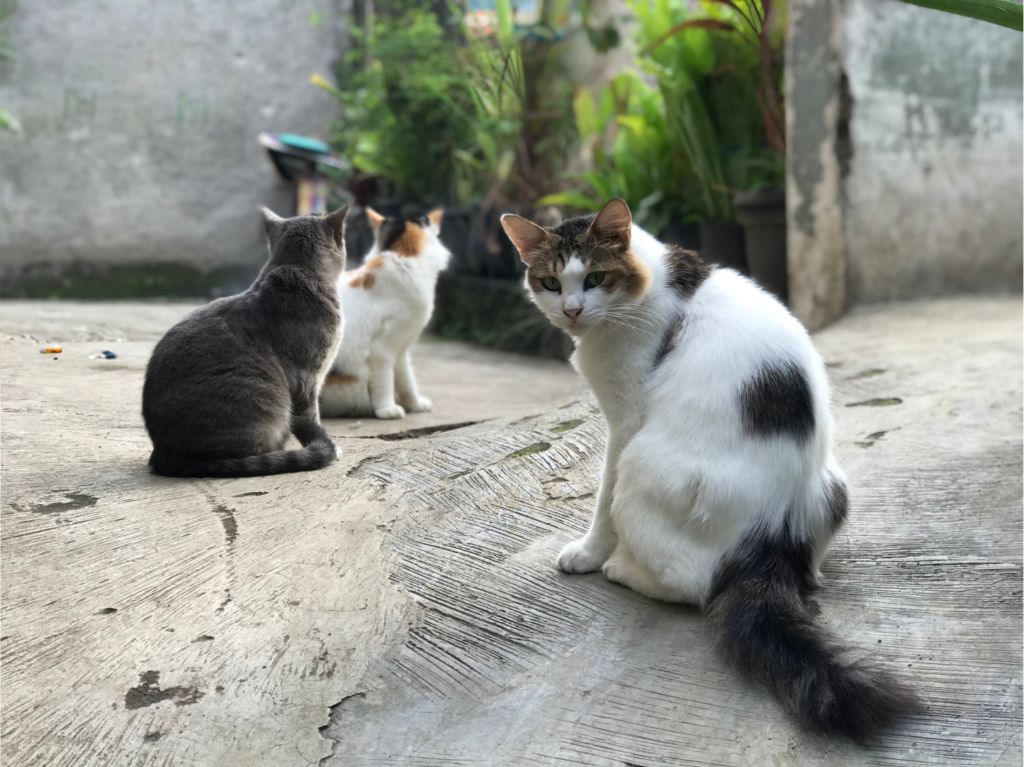
3. Lifestyle Dynamics: Safe Outdoor Access
If your home allows for outdoor movement, the risk profile shifts significantly.
The Territory Element: The UAE has a dense population of street colonies. Conflict over territory can lead to bite wounds, which are the primary transmission route for FIV (Feline Immunodeficiency Virus).
Chemical Hazards: Pesticides used in garden maintenance and anti-freeze leaks from cars are highly toxic. Always ensure your “safe outdoor” area is chemically vetted.
4. The Boredom Risk: Behavioral Health
Perhaps the most overlooked risk for an indoor cat is stagnation.
The Risk: A lack of environmental enrichment leads to stress-induced illnesses, such as FIC (Feline Idiopathic Cystitis)—a painful bladder condition triggered by anxiety.
The Solution: High-standard care involves vertical space (cat trees), interactive hunting toys, and consistent “Tribe time” to keep their predatory instincts sharp.
The Collective Philosophy
“A risk-free life is impossible, but a risk-managed life is our promise to them. Understanding the elements of your cat’s specific lifestyle allows you to build a stronger, safer bridge to their future.”